When we think of beer, we often think of it in the following terms: cold, ice cold, and, of course, coldest beer in town.... and for the last 200 years, the fad of ice cold beer has been a tradition in America and the world. With the advancement of refrigeration technology over the past fifty years, we have seen cold beer go from a novelty into a standard. As iceboxes have evolved, cold beer has moved from the saloon to the home and even to outings.
To fully understand this transformation of how we drink beer, we must look to the past, to before and during the early refrigeration era.
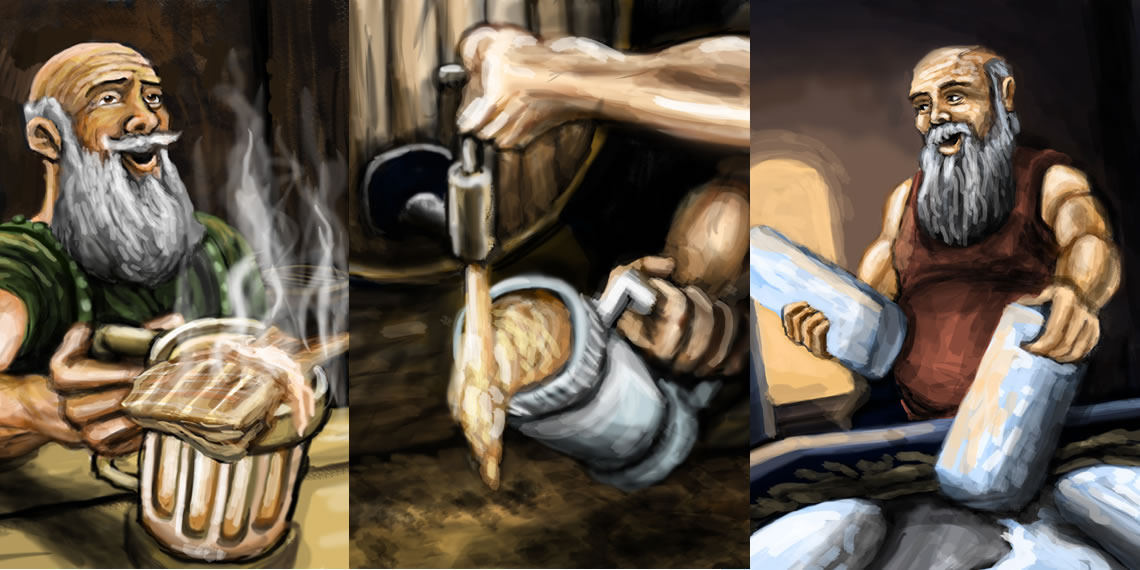
For most of the time that beer has been brewed on this green earth, it has been drunk as a warm or even hot beverage. From exalted, yet crude beginnings along the Nile in early civilization to the middle ages, through the time of the Reinheitsgebot (German Purity Law), adopted in 1516, and even as late as the early 19th century, beer has been served warm. Those folk frequenting the tavern or Inn where beer was served were expecting nothing less (or more). According to Henry Overton, author of a short pamphlet entitled "Warme Beere." in 1641, drinking hot beer or ale was "...farre more wholesome than that which is drunk cold."
To get an idea of how beer was drunk in this period, let's look at some old recipes floating about for warmed ales. The "Aleberry" was a simple variety in which sugar and spices were added to the ale, and then slices of bread left to float on top. The wintry Wassail was a variety of Aleberry where the beer was left with sugar, cinnamon, and ginger to steep for hours before being served hot with toast on top! Lambswool was another heated, or mulled ale that was popular in the 1700's, which added a unique twist to the spices and sugar - roasted apples.
It is widely held that the original cold beer was the lager, hailing from Bavaria. Often referred to as a spring ale, the first beers that could be considered lager-like would be put outside to ferment and season in the cold winter airs. This would lead to a distinctive taste to the brew, but it could only be reproduced each winter, making it a seasonal ale. Although probably lacking in the now traditional bottom fermenting yeast, the lagering process no doubt was practiced by many brewers of the olden days.
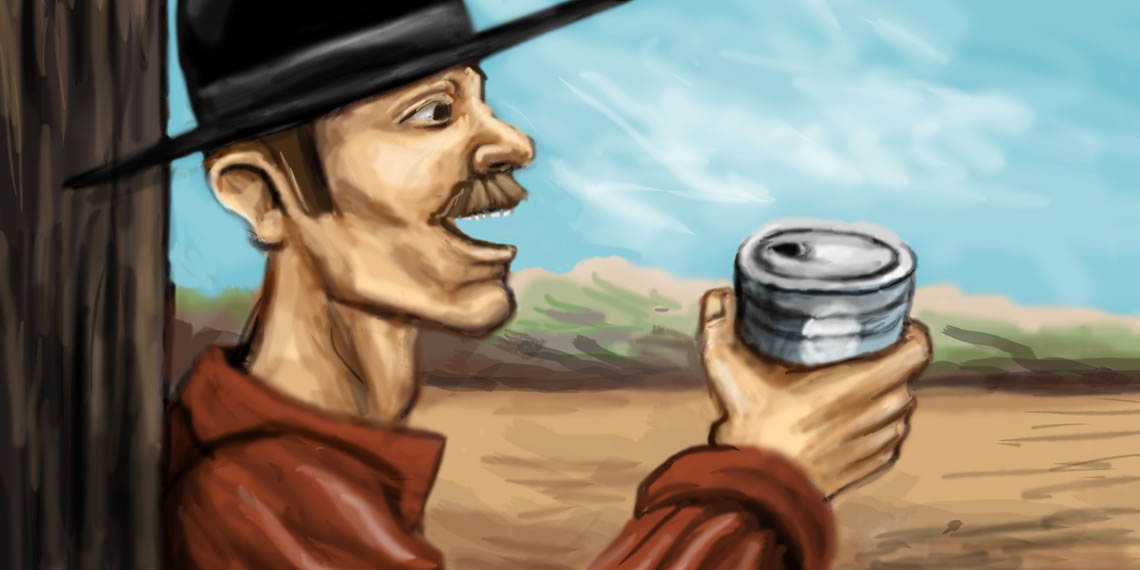
When modern refrigeration technology was first being invented, it is likely that one of the first commercial applications was to keep beer cold. Lagers were being brewed in North America from 1840's at the latest, when John Wagner of Philadelphia started brewing with bottom fermenting yeast. In this period, we can see the switch from warm to cold beer as the drinker's preference. Entrepreneurs in the brewing field were starting to break into the field of industrial production. With this move away from craft brewing techniques came a need to control the temperature of the beer to high degree, especially with the rise in popularity of lager beer, a beer best enjoyed cold.
We can see that these factors all combined to produce what is now the predominant beer-drinking paradigm - that beer be served cold. Factory production of beer brought in by the industrial revolution, the rising popularity of cold beer, and the rise of the Lager.
 Continue to Part Two: The Rise of the Lager

Komos
 Summit
 Beverage-Air
 DCS
DCS
 Marvel
 Perlick
 Bull
Bull
 Avanti
 Danby
Danby
 CM Becker
 Continental
 Fagor
Fagor
 Cal Flame
 Twin Eagles
 Frigidaire
 Fire Magic
 GrowlerWerks
 Hestan
 Igloo
Igloo
 True
True
 Intertap
 Kegco
Kegco
 Keggermeister
 Koolatron
 KegLand
 Krowne
 Krups
Krups
 Lynx
Lynx
 Maxx Cold
 Micro Matic
 Midea
Midea
 Nor-Lake
 Nostalgia
 Arctic King
 Synek
Synek
 Taprite
 Turbo Air
 UBC Group
 Value Series
 Versonel
 VinoTemp
 New Leaf